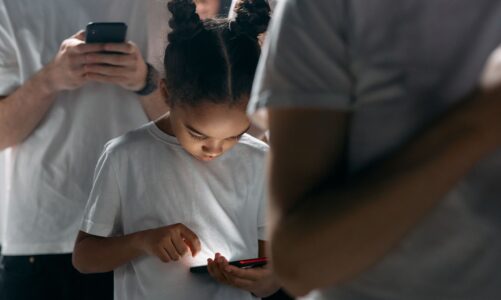
A few months ago, I watched my child ask an AI tool a question that would have taken me at least twenty minutes to research on my own.
Within seconds, the answer appeared.
I remember sitting there thinking two things at once:
“This is amazing.”
And…
“This changes everything.”
As parents, many of us are trying to prepare our children for careers that don’t even exist yet. We’re raising kids in a world where artificial intelligence can write essays, create presentations, answer questions, generate images, analyze data, and even write computer code.
Needless to say, the future is going to look very different from the world many of us grew up in.
But here’s what I keep coming back to:
While technology changes, certain human skills remain incredibly valuable.
Instead of asking what jobs our children should pursue, perhaps we should be asking:
What skills should they develop that will remain valuable no matter how technology evolves?
Critical Thinking
If AI has taught us anything, it’s that access to information is no longer the challenge.
The challenge is knowing what to do with it.
AI can generate answers.
It cannot consistently determine whether those answers are accurate, ethical, or appropriate.
Our children need to learn how to:
- Evaluate information.
- Identify bias.
- Ask thoughtful questions.
- Challenge assumptions.
- Analyze problems from multiple perspectives.
The future will belong to people who can think critically, not just consume information.
One of the easiest ways to develop this skill is to stop giving children all the answers.
Ask them what they think.
Challenge their reasoning.
Encourage curiosity.
Communication Skills
You would be surprised how many adults struggle with basic communication.
The ability to write clearly, speak confidently, and communicate ideas effectively will remain valuable regardless of how advanced AI becomes.
Encourage your tween to:
- Read regularly.
- Write journals or stories.
- Participate in debate clubs.
- Practice public speaking.
- Have conversations with adults.
Communication opens doors.
And unlike technology, it is a skill that improves through practice.
Emotional Intelligence
This is one area where humans still have a significant advantage.
Empathy.
Relationship-building.
Conflict resolution.
Self-awareness.
Emotional regulation.
These skills influence success in nearly every aspect of life.
The people who thrive in the future will not simply be technologically skilled.
They will know how to work with other people.
As parents, we can help by teaching our children how to:
- Name their emotions.
- Handle disappointment.
- Resolve disagreements respectfully.
- Show empathy toward others.
- Build healthy relationships.
Financial Literacy
Let’s be honest.
Many of us entered adulthood knowing more about algebra than personal finance.
That needs to change.
Children should understand:
- Budgeting
- Saving
- Investing
- Debt
- Credit
- Entrepreneurship
The earlier they learn how money works, the more options they will have as adults.
And in a rapidly changing economy, options matter.
Adaptability
If there is one skill the future will demand, it’s adaptability.
The jobs our children hold at age thirty may not exist when they are twelve.
That means they must become comfortable learning new things.
Encourage your tween to:
- Try new activities.
- Learn new technologies.
- Explore different interests.
- Embrace challenges.
The goal isn’t to know everything.
The goal is to become someone who can learn anything.
Digital Literacy
There is a difference between using technology and understanding technology.
Many children know how to use social media.
Far fewer understand how algorithms work.
Or how data is collected.
Or how artificial intelligence is trained.
Our children should understand:
- Online privacy
- Cybersecurity basics
- Responsible AI use
- Digital footprints
- Media literacy
Technology should be a tool they control—not the other way around.
Problem Solving
One thing I have noticed is that many children have become accustomed to immediate answers.
Need information?
Google it.
Need directions?
Use GPS.
Need help?
Ask AI.
While these tools are useful, children still need opportunities to struggle productively.
They need to figure things out.
Build things.
Fix things.
Experiment.
Fail.
Try again.
Problem-solving is like a muscle.
It develops through use.
Entrepreneurship
I believe every child should be exposed to entrepreneurship.
Not because everyone should own a business.
But because entrepreneurship teaches valuable life skills.
Creativity.
Initiative.
Leadership.
Marketing.
Communication.
Resilience.
Encourage your tween to start something small.
Sell handmade products.
Offer tutoring services.
Start a lawn care business.
Create digital content.
Design a product.
The experience matters more than the income.
Real-World Life Skills
Here’s something that concerns me.
Many children can navigate an iPhone better than they can navigate real life.
Can they cook a meal?
Can they hold a conversation with a stranger?
Can they manage their time?
Can they solve a conflict?
Can they write a professional email?
Can they advocate for themselves?
Technology cannot replace basic life competence.
And confidence often grows from competence.
What Matters Most
As I think about the future, I don’t believe our biggest challenge is preparing our children for AI.
I think our biggest challenge is preparing our children to remain fully human in a world increasingly shaped by technology.
We need children who can think.
Children who can communicate.
Children who can create.
Children who can adapt.
Children who can build meaningful relationships.
Children who know who they are.
AI may transform industries.
It may reshape the workforce.
It may change how we learn, work, and communicate.
But the children who thrive will likely be the ones who develop the skills that machines struggle to replicate.
And those are exactly the skills we should be teaching today.
Because the future isn’t just about technology.
It’s about raising capable, confident, and resilient young people who know how to use technology without becoming dependent on it.
About The Author