Lately, I’ve been spending a lot of time learning about Traditional Chinese Medicine (TCM), acupuncture, and Tai Chi. If you had told me a few years ago that I would be reading about energy flow, meridians, and ancient healing practices, I probably would have laughed.
But the older I get, the more I realize that many of us are walking around carrying things that prescription medications and annual physicals alone cannot fix.
I’m talking about chronic stress.
I’m talking about exhaustion.
I’m talking about nervous system dysregulation.
I’m talking about the emotional weight so many Black women carry every single day.
And while Western medicine absolutely has its place, I’ve become increasingly interested in what other healing traditions can teach us about caring for our bodies before they completely break down.
Black Women and Survival Mode
If we’re being honest, many Black women have spent years living in survival mode.
We are caregivers, professionals, mothers, daughters, community leaders, volunteers, business owners, and problem solvers. We often carry the emotional burdens of entire families while still being expected to excel in our careers and show up for everyone else.
The problem is that survival mode eventually catches up with us.
It shows up as high blood pressure.
It shows up as anxiety.
It shows up as insomnia.
It shows up as chronic fatigue.
It shows up as autoimmune conditions, inflammation, and burnout.
For many of us, stress has become so normal that we no longer recognize it as stress.
We simply call it life.
What I Appreciate About Traditional Chinese Medicine
One of the things I find most interesting about Traditional Chinese Medicine is that it doesn’t separate the mind and body the way we often do in Western culture.
In TCM, emotional health, physical health, movement, nutrition, sleep, and stress are all connected.
Imagine that.
A healthcare approach that recognizes that carrying years of stress might eventually impact your physical well-being.
A healthcare approach that asks questions beyond your symptoms.
A healthcare approach that views the body as an interconnected system rather than a collection of isolated parts.
Whether you agree with every aspect of TCM or not, I think there is wisdom in that perspective.
Because many of us have become disconnected from our bodies.
We ignore fatigue.
We normalize headaches.
We push through stress.
We dismiss our intuition.
We keep going long after our bodies have started waving red flags.
Acupuncture: More Than Just Needles
I’ll admit it.
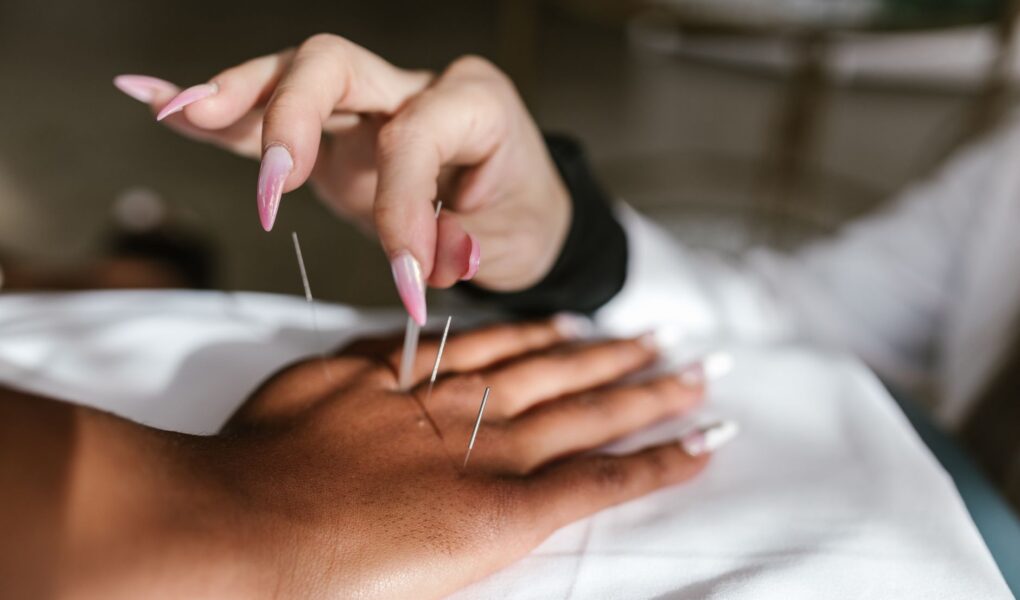
The thought of someone placing needles throughout my body initially sounded terrifying.
But the more I learned about acupuncture, the more curious I became.
Many people seek acupuncture to help with stress, anxiety, chronic pain, headaches, sleep challenges, and overall wellness. What fascinates me is not just the treatment itself but the idea behind it.
The appointment forces you to slow down.
To be still.
To rest.
To pay attention.
For women who spend most of their lives taking care of everyone else, that alone can be healing.
Sometimes the medicine isn’t just the treatment.
Sometimes the medicine is finally allowing yourself to receive care.
Tai Chi and the Lost Art of Slowing Down
We live in a culture that celebrates intensity.
More work.
More productivity.
More hustle.
More achievement.
Tai Chi offers something radically different.
Intentional movement.
Intentional breathing.
Intentional presence.
There is no rushing.
No competition.
No pressure to perform.
As I have watched practitioners move through these slow, flowing movements, I’ve been struck by how foreign that level of calm feels to many of us.
When was the last time we moved our bodies without trying to burn calories, hit a fitness goal, or check a box on our wellness app?
Tai Chi reminds us that movement can also be restorative.
It can be grounding.
It can be medicine.
Lessons Black Women Can Take From TCM
While I am still learning, there are several principles from Traditional Chinese Medicine that I believe many Black women can benefit from.
Rest Before You Break
One of the greatest lessons I’ve learned is that wellness shouldn’t begin when we’re sick.
Far too many of us wait until our bodies force us to stop.
TCM emphasizes prevention and balance rather than waiting for disease to develop.
Imagine what would happen if we prioritized our health before reaching burnout.
Pay Attention to What Your Body Is Saying
Your body is constantly communicating with you.
The question is whether you’re listening.
Fatigue.
Brain fog.
Digestive issues.
Poor sleep.
Mood changes.
Persistent tension.
These things matter.
Instead of automatically pushing through, we should become more curious about what our bodies are trying to tell us.
Regulate Your Nervous System Daily
Healing doesn’t only happen in doctor’s offices.
It happens through daily practices.
Breathing.
Walking.
Prayer.
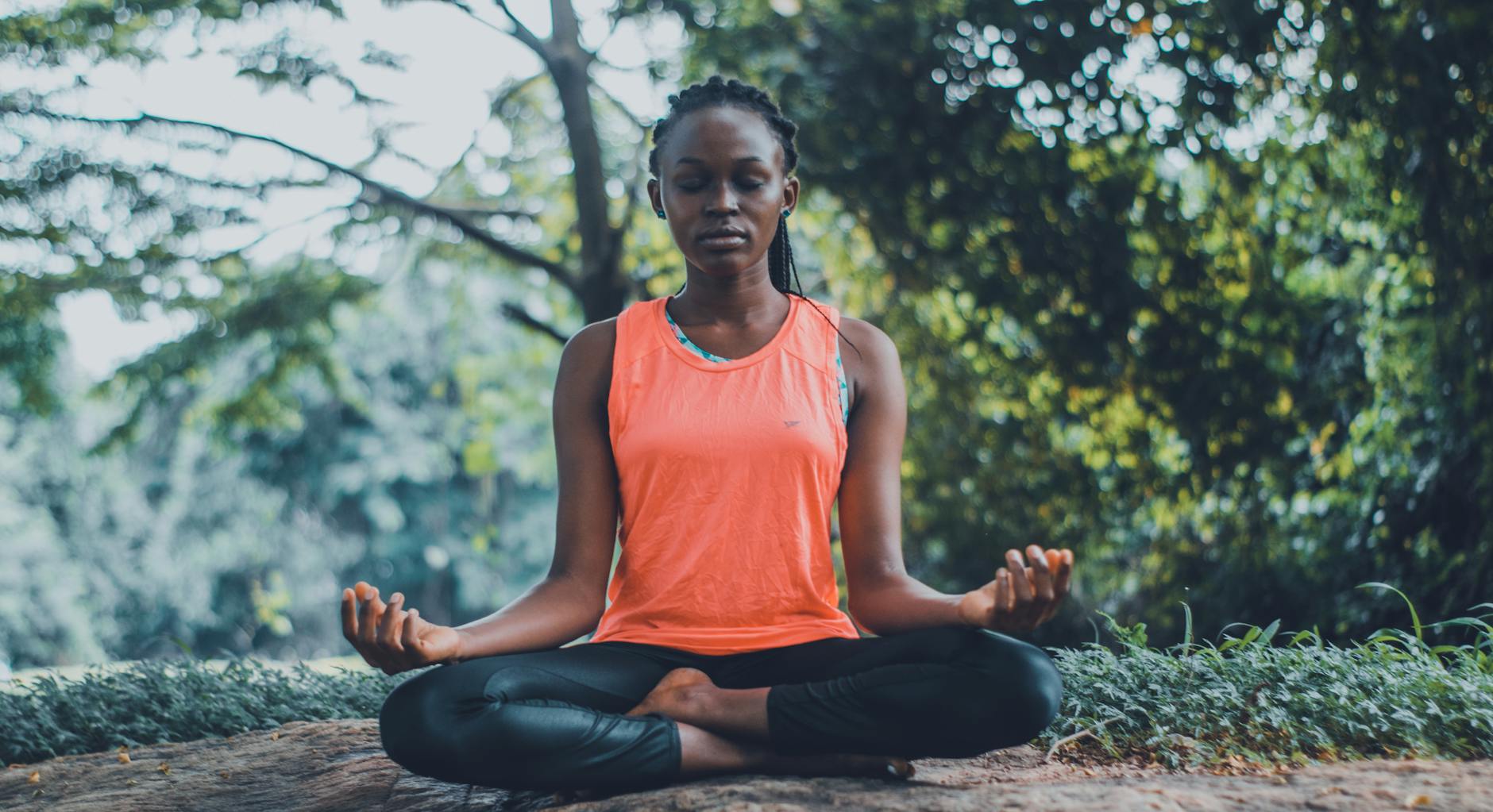
Meditation.
Tai Chi.
Journaling.
Time in nature.
Meaningful connection.
These small actions help signal safety to the nervous system and can have a powerful cumulative effect over time.
Stop Glorifying Exhaustion
Somewhere along the way, many of us learned that being exhausted was evidence of our value.
It’s not.
Burnout is not a badge of honor.
Chronic stress is not a personality trait.
Exhaustion is not proof that you’re doing life correctly.
Our bodies deserve better than that.
My Final Thoughts
The more I learn about Traditional Chinese Medicine, the more I realize this journey isn’t really about acupuncture, herbs, or Tai Chi.
It’s about remembering something many of us have forgotten.
Healing requires participation.
We cannot continue disconnecting from our bodies and expect them to keep carrying us indefinitely.
As Black women, we have inherited generations of strength, resilience, and perseverance. Those qualities are beautiful.
But perhaps the next phase of our healing journey isn’t about learning how to be stronger.
Perhaps it’s about learning how to be softer.
How to rest.
How to listen.
How to receive care.
How to slow down long enough to hear what our bodies have been trying to tell us all along.
And maybe that’s where true healing begins.
About The Author